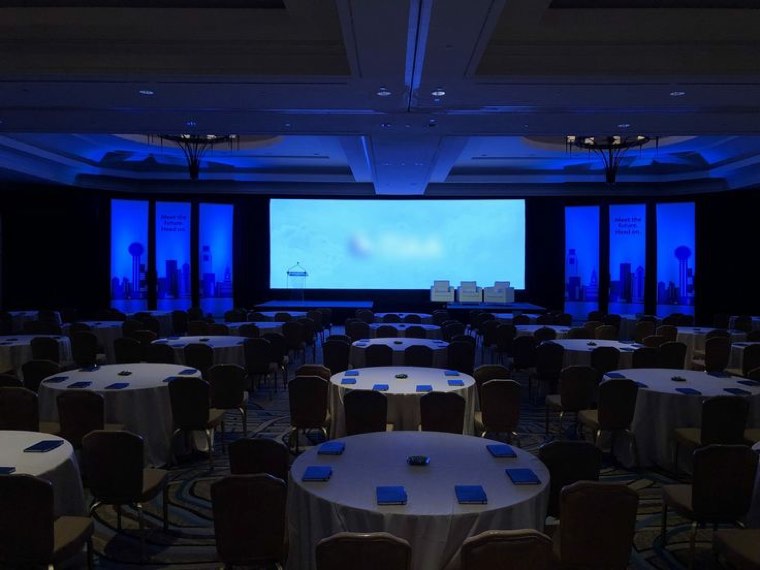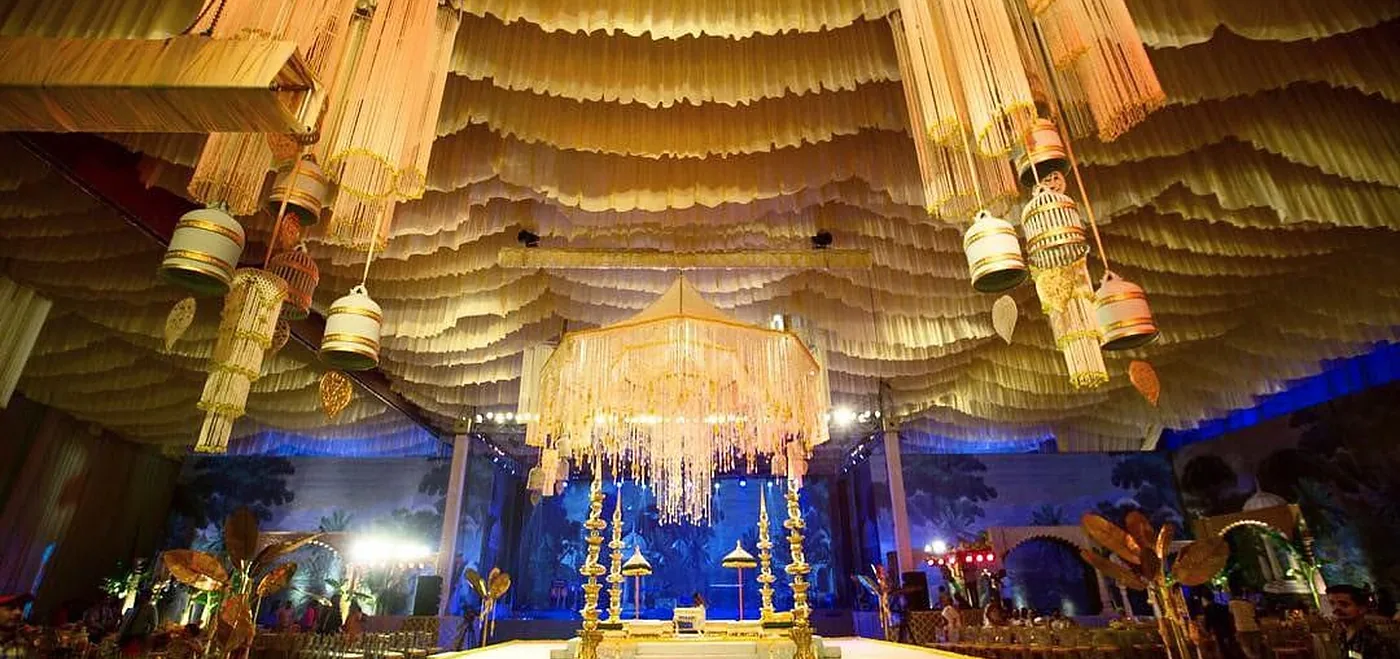
A four-day wedding is not a one-day wedding stretched. It is four separate events that happen to share a guest list, and the families who find it exhausting are almost always the ones who planned it as a single job.
Our team has run a six-day wedding with multiple functions every day. The lesson from that one is not about design. It is that everything which went smoothly was decided weeks before anyone arrived at a venue.
1. One master calendar, then one plan per function
Start with a single document that holds every function: date, venue, guest count, vendor arrival, setup window, event start, and dismantle.
That calendar exists to answer one question — what is happening when, and where — and it must have exactly one version. Then build a separate plan underneath it for each function.
Most multi-day chaos is not a planning failure. It is a version-control failure, with three slightly different timelines circulating between the family, the venue and the vendors.
2. Treat each function as its own production
For every single function, list it out: venue, décor, furniture, lighting, sound, entertainment, catering, photography, guest management, transport, and the person responsible for each.
Doing this function by function is tedious and it is the step that finds the gaps. Missing items reveal themselves on paper weeks early, which is the only convenient time to find them.
3. Decide early what gets reused
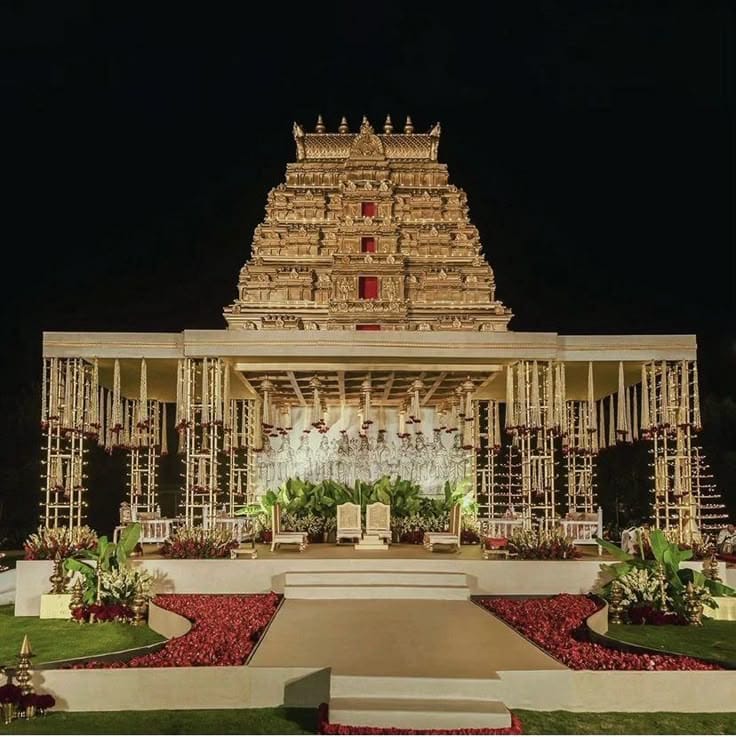
When several functions share a venue, a lot can be re-dressed rather than rebuilt. Structure, flooring, rigging and lighting positions often carry across; fabric, florals and furniture change.
This saves real money and, more importantly, saves setup hours on the days when hours are short. The judgement is which elements can change clothes convincingly and which will look like yesterday's stage with new flowers on it.
4. Changeovers are where multi-day weddings actually break
Not the functions. The gaps between them.
A sangeet that ends at midnight and a ceremony that starts at eight the next morning in the same hall means a full strike, a full build and a technical check in the dark, with a crew that has already worked a long day.
Write the changeover into the plan as if it were a function. It needs a crew, a duration and someone who owns it.
When the wedding moves between venues, add transport: who is moving what, in which vehicle, leaving when, arriving where, and who receives it. A responsibility matrix sounds bureaucratic until the night a van is missing and nobody knows whose it was.
5. One team owns the timeline
The single biggest difference between an enjoyable multi-day wedding and an exhausting one is whether the family is the communication bridge.
If every vendor has the bride's uncle's number, he will spend six days on the phone instead of at the wedding. We assign dedicated managers and coordinators sized to the event precisely so that the calls come to us.
6. Keep guest lists function by function
A haldi at home for 80 and a reception for 1,200 are not the same guest list, and treating them as one is how families end up over-catering the small days and under-catering the big one.
Track numbers per function. Catering, seating, transport, hospitality and even parking all come off those figures.
7. Build one food schedule across the whole wedding
Not per function — across the wedding. Welcome drinks, meals, snacks, service timings, dietary requirements, and what the crew eats.
Vendors and production teams working six days need feeding too, and it is the line most often forgotten until someone is hungry at 2am halfway through a changeover.
8. Give the photographers the master timeline
Not the running order on the morning of — the whole schedule, in advance.
They need to know which rituals matter to your family, when the light will be good, how long it takes to travel between venues, and when the family portraits are physically possible. On a long wedding, the shots that get missed are almost always the ones nobody scheduled.
9. Let each day look different
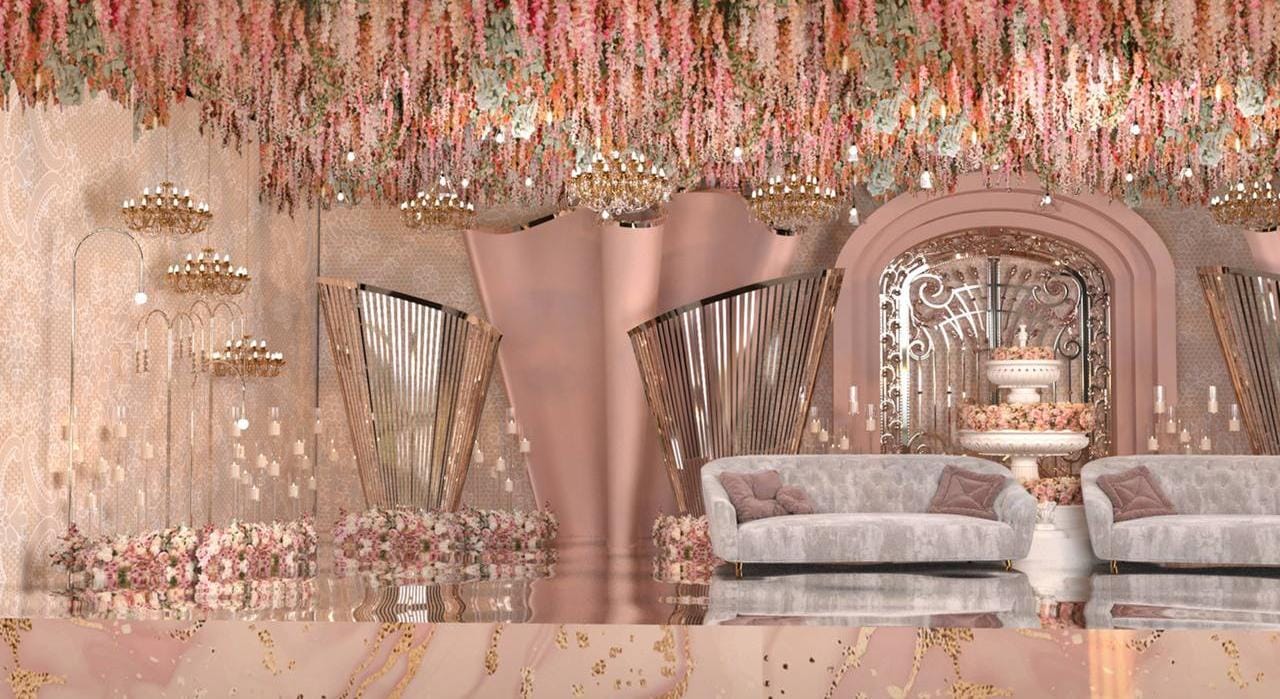
Different enough that guests feel they have arrived somewhere new. Connected enough that it is recognisably one wedding.
A shared palette and a consistent level of finish do that work. What does not work is the same stage with different flowers five nights running — by night three the guests stop looking.
10. Schedule rest, and mean it
Six days is a long time for a family in heavy outfits, and longer for a crew doing overnight builds.
Build genuine gaps into the schedule for travel, setup, meals and sleep. A timeline with no slack does not run faster; it just fails at the first delay and takes everything after it down.
Keep contingencies for the obvious risks too — weather for anything outdoors, power, a vendor arriving late. The plan is not to assume nothing goes wrong. It is to have already decided who responds when it does.
11. Circulate one final version
Before the first function, send out the approved schedule and a contact list, and make sure it is the only copy in circulation.
Everything after that should reference it. A single source of truth is worth more to a multi-day wedding than any individual piece of planning in it.
12. Start earlier than feels necessary
We can deliver a single function in about 15 days where our schedule allows. A large multi-day wedding wants two to four months of detailed planning.
That time goes into recces at every venue, design development per function, vendor booking, production planning and the changeover choreography. Short notice is possible, and what it costs is flexibility, not quality.
Multi-day wedding checklist
- One master calendar, one version
- A production plan per function
- Guest counts per function
- Site recce at every venue
- Reuse decisions made early
- Changeovers scheduled as events, with owners
- Vendor responsibility matrix
- Food schedule across the wedding, crew included
- Photography brief with the full timeline
- Transport plan between venues
- Setup and dismantle windows per function
- Weather and technical contingencies
- Emergency contact list
- A dedicated event-day team that owns all of it
Our experience
Raw Group is a new firm, but the team behind it brings 8+ years and 1,000+ events, including weddings up to 10,000 guests and a six-day wedding with multiple functions each day.
We work across Hyderabad, Vijayawada and Guntur. On a long wedding our job is straightforward to describe and hard to do: hold the timeline so the family can attend their own celebration.
Planning several functions?
Send us your dates, venues and function list and we will come back with a plan and a proper quotation, usually the same day.